
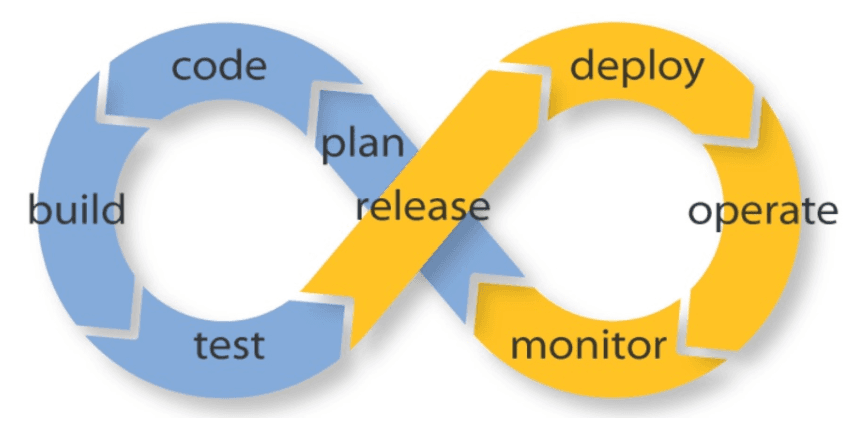
Tempest House varies its engagement processes based on client needs, but a refined, process-driven approach is at the heart of every successful project. Here is what an ideal end-to-end development engagement looks like.
Why Process Matters
The first startup I worked for had no direction, planning, or discovery put into the project. This resulted in a five-year project that should have taken one year, ultimately failing despite a sound core concept.
Tempest House refined its process over 10+ years to achieve three primary goals:
- Help clients identify the optimal product for their needs
- Provide accurate work estimations so there are no surprises
- Give developers a clear roadmap to minimize waste and revisions
Phase 1: High-Level Planning
Initiation
The process begins when a client presents an idea or the company generates one. This is the starting point where the vision takes shape.
Investigation
The Product Management team conducts interviews and market research to understand the problem space, target audience, and competitive landscape.
High-Level Definition
The team produces documentation describing all project features at a high level. This becomes the foundation for everything that follows.
Phase 2: Cost and Resources Evaluation
Hours Estimation
Using the high-level definition, the team creates a spreadsheet-based estimation breaking down the work into measurable components.
Cost Estimate
An hourly breakdown by team member and rate provides transparent pricing so clients understand exactly where their investment goes.
Refinement
Features are adjusted to fit the client's budget and timeline. This collaborative step ensures the most valuable features are prioritized within real-world constraints.
Phase 3: Project Definition
Full Definition
The team produces wireframes, mockups, and detailed feature descriptions that bring the product vision to life visually and functionally.
Epic and User Story Generation
Specifications are broken into organized components -- epics group related functionality while user stories capture individual requirements from the end user's perspective.
Points Estimation
Complexity values are assigned to each story for velocity tracking. This allows the team to measure progress and predict delivery timelines accurately.
Build the Backlog
Priority tickets are organized into a structured backlog, ready for development to begin.
Phase 4: Development Begins
First Sprint
A two-week initial sprint serves as a baseline to inform future development. This first sprint reveals real-world complexities and helps calibrate expectations.
Sprint Retrospective
The team tracks velocity points to understand actual capacity and identify process improvements.
Validate Estimation
Point values are verified against actual performance, ensuring the roadmap remains realistic.
Update Roadmap
The roadmap is adjusted based on business value and the insights gained from the initial sprint.
Phase 5: Development Continues Until Done
Sprint Planning
Stories are accepted into each sprint based on the team's average velocity, preventing overcommitment and ensuring consistent delivery.
Sprint Execution
Two weeks of focused development where the team works through the committed stories.
Demo
Stakeholders review sprint accomplishments, providing feedback and ensuring alignment with the product vision.
Final Validation
Code is deployed to a QA environment via continuous integration for thorough testing before release.
Release
The project goes live with confidence, backed by thorough planning, testing, and stakeholder validation.
Key Takeaway
Upfront discovery saves substantial time and money in development. It ensures alignment between client expectations and final deliverables. Without a structured process, even great ideas can fail. With one, teams deliver better products faster and with fewer costly surprises.